
Foundation course in agro-ecological market gardening
aggro
Overview
This curriculum is designed for 6–8 new growers (mixed-ability audience: young and all alike from all backgrounds). It emphasises inclusive, theory blended with hands-on Project-Based Learning with differentiation for access and diverse learning approaches.
Duration: 10 months (30 weeks) – May to November 2026.
Weekly 3-hour Saturday morning sessions:
- ½ to 1 hour theory (indoor/classroom-style)
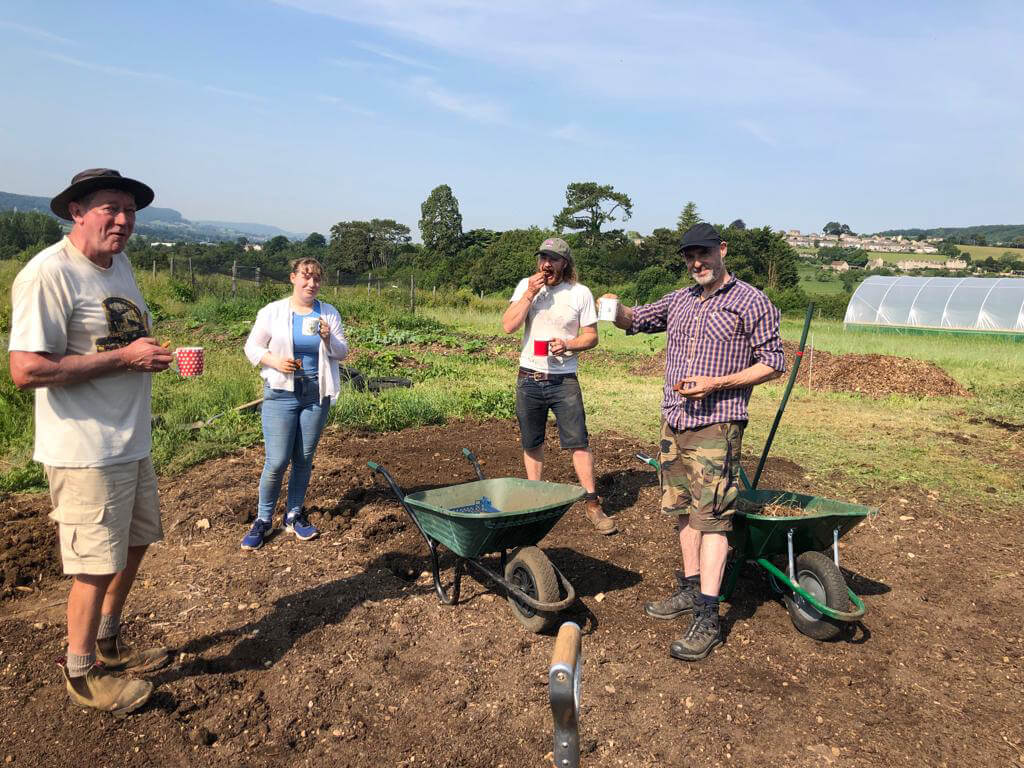
- 2 to 2½ hours practical (outdoors on Zerodig incubator farm at Oakbrook, Stroud)
Key features:
- Builds progressively from basics to advanced.
- Fundamental understanding and appreciation of central role of soil biology for sustainable and successful growing.
- Understanding of key operational elements for success: planning, task completion (one thing at a time), observation, keeping a log of activity and observations.
- Integrates new no-dig bed creation and ongoing maintenance as a major practical outcome.
- Includes routine tasks: crop planning, propagation, planting, maintenance, harvesting, hygiene and sales.
- Integrates understanding and appreciation of nutritious food production as a major objective of Zerodig growing
- Develops an understanding of how reducing waste at all stages from sowing to nurturing crops in the ground, to harvesting and to produce storage and processing can boost returns and success.
Theme
Month- May: Living soil, Zerodig principles, crop planning, propagation
- June: Planting out, bed maintenance, weeding and watering
- July: Plant health, harvesting, preparing produce for sale
- August: Harvesting, extending the season with autumn sowings
- September: Planning for winter: cover crops, composting crop residues, collecting seed
- October: Storing produce, preserving food and reducing waste
- November: Crop planning for the following year, closing down growing beds for winter, wrap-up discussions and observations
Content
Theory and discussion- Soil biology and structure, soil classification, crop planning, sowing in trays, seed germination
- Importance of redundancy to allow for loss, planting out techniques, the “little and often” weeding strategy, good watering practice
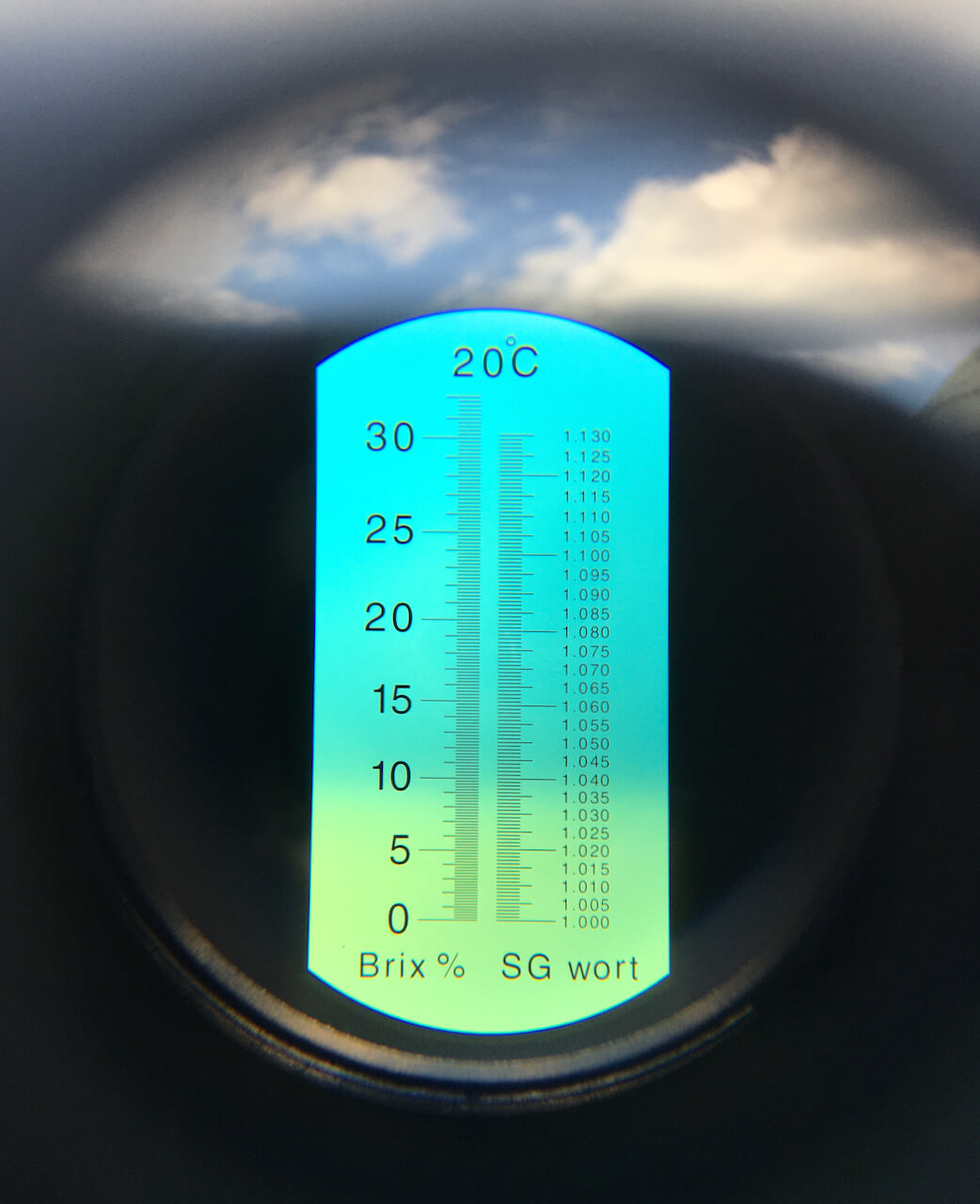
- Brix testing for plant health, understanding pests and disease, harvesting techniques, washing, packing and labelling produce for sale
- Falling daylight and need to sow in August
- Recipes for unusual crops to aid sales and reduce waste, composting techniques, preserving seed
- Fermentation and drying of produce for winter sales. How reduced waste leads to increased profitability
- Clearing and cleaning beds, understanding and analysis of collected data for planning, discussion of key points and themes covered, questions answered
Activity
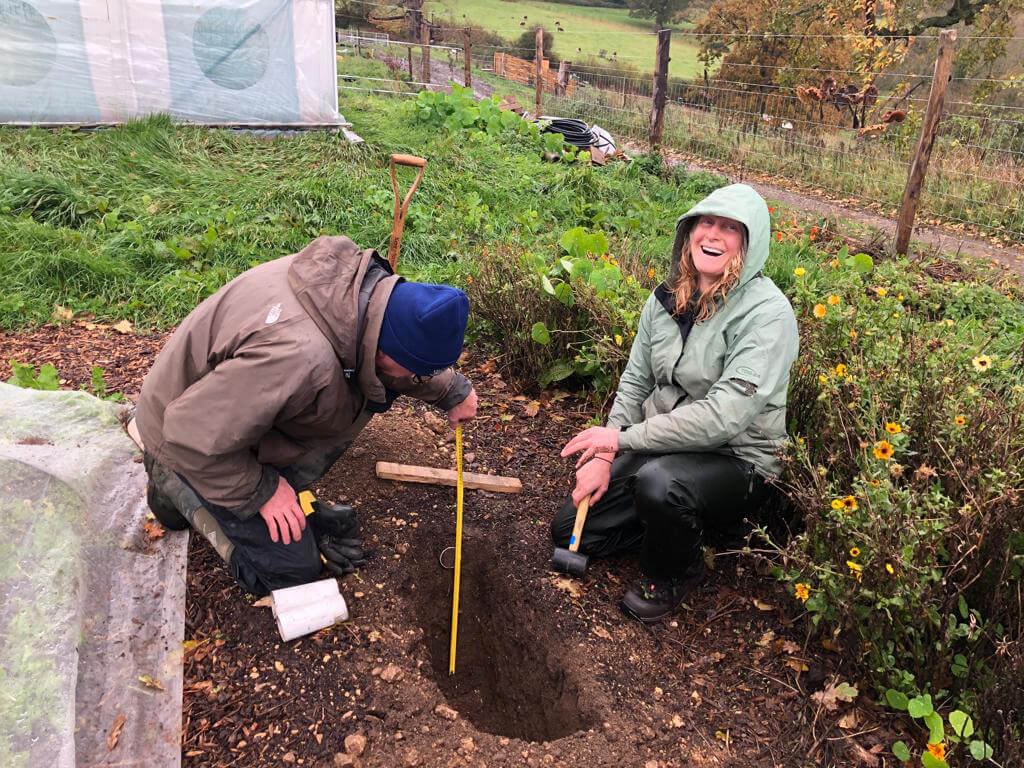
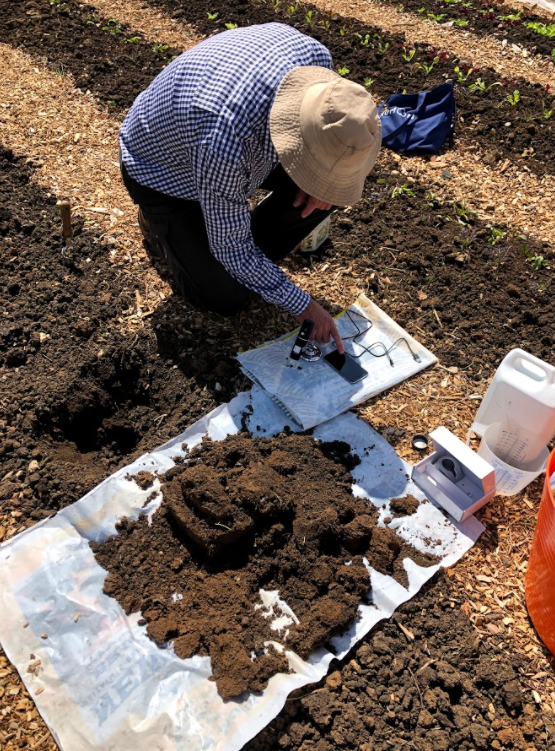
Hands-on learning and recording- Soil texture analysis, soil structure test, worm count, crop plan, preparing & sowing seed trays
- Monitoring seed germination, percent germination, seedling and transplant losses, soil moisture testing and impact of watering
- Recording data on crop yield and related back to sowing, germination and transplant data, understanding Brix – the importance of consistency in readings
- Autumn sowings in trays and selecting for winter hardy produce
- Fully use what you grow to reduce waste – cook what you grow, advantages of site adapted seed
- Storage of produce and preserving food to increase shelf-life and reduce waste
- Crop plan based on a year of growing experience and preparation for the following season, completed log of recorded activity and observations
Practical bits:
Please wear / bring:
- Comfortable outdoor clothes you don’t mind getting muddy
- Waterproof jacket (for when it’s wet)
- Warm layers (for when it’s cold)
- Sun hat and sun screen (for when it’s sunny)
- Sturdy shoes or boots suitable for uneven ground
- Reusable water bottle
- Pencil and eraser
- Empty mid-sized jam jar with lid (March)
- Phone with camera
FAQs:
Do I need farming experience?
No — everything is guided and beginner-friendly.
What happens if I can’t make a day?
Many of the theory elements are online and are recorded for you to benefit from at your convenience. You will miss the hands-on practical elements though.
What happens if it rains?
The event runs in most weather — please dress accordingly. There is indoor space for many of the theory and discussion events.
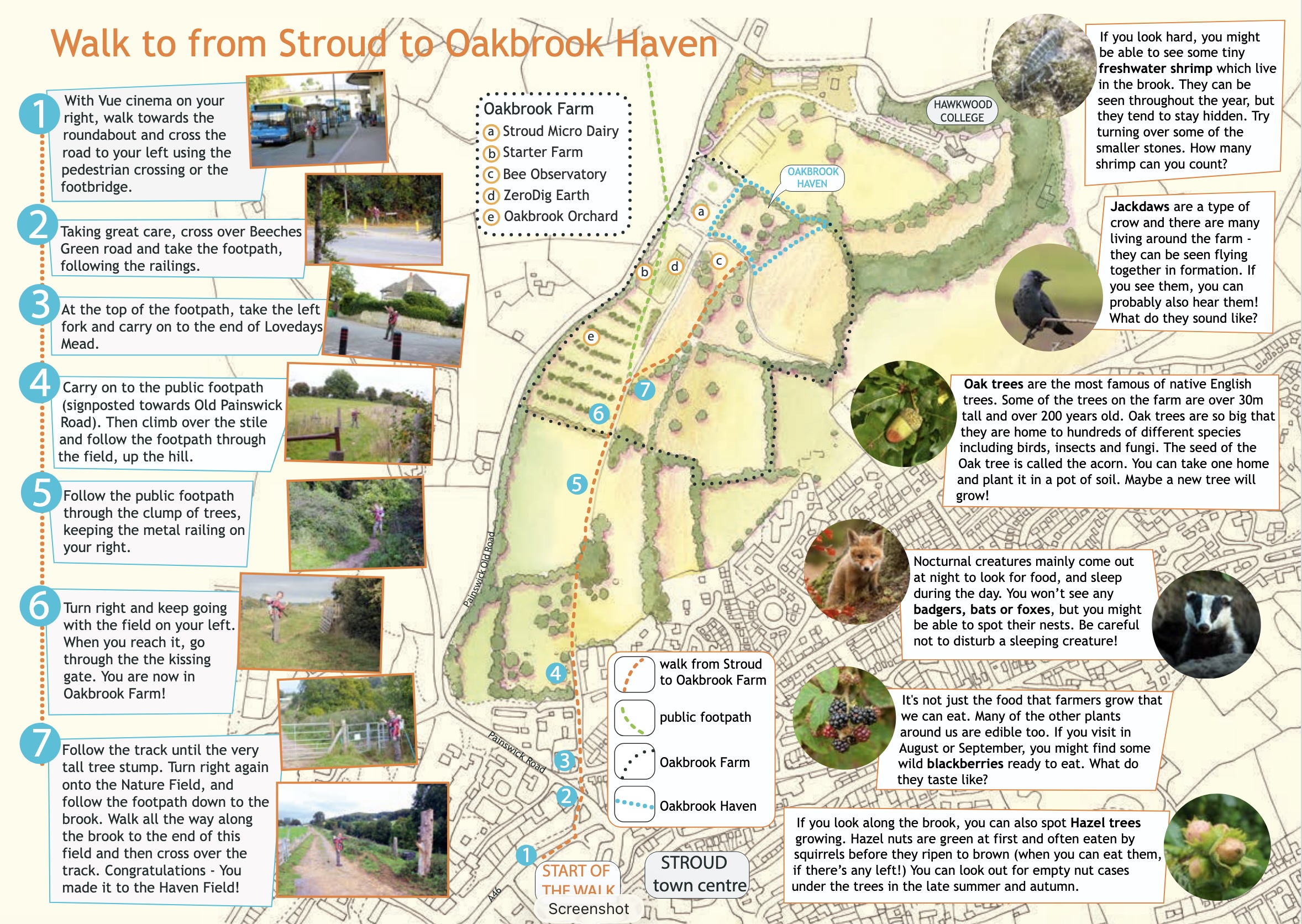
How to Get to the Farm
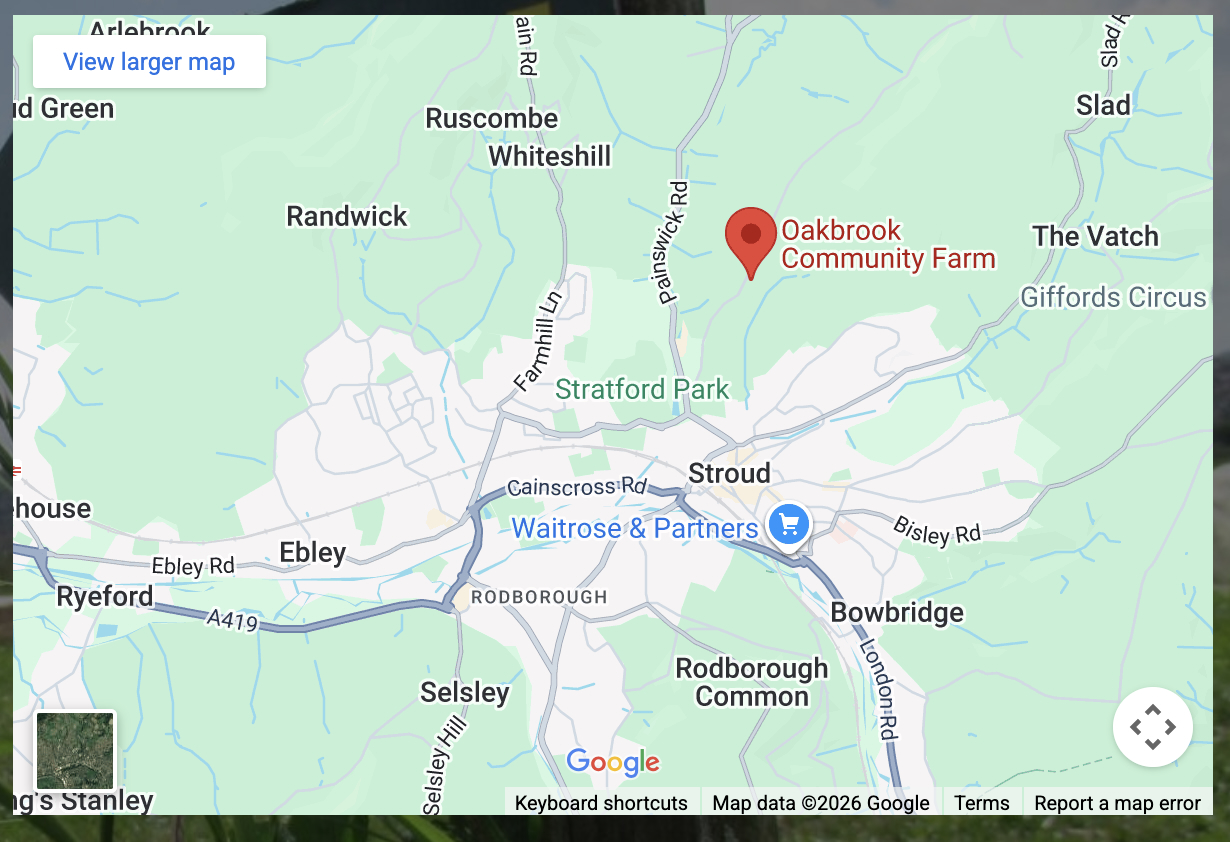
ZeroDig at Oakbrook Farm What3Words: w3w.co/snacks.shift.currently
By Foot
Approximately 25 minutes (0.9 miles) from Stroud Station, mostly on footpaths through farmland. Download pdf map here.
By Car
From London Approx. 2 hours Route: M4 → A419 → Stroud
From Birmingham Approx. 1–1.5 hours Route: M5 → A419 → Stroud
Free parking is available on-site. Car sharing is encouraged where possible.
Use the What3Words link above for the most accurate final directions.
By Train
The nearest station is Stroud Station.
Typical journey times
- London Paddington → Stroud: ~1 hr 30 min (direct trains)
- Birmingham → Stroud: ~1 hr 30–2 hrs (usually via Cheltenham Spa or Gloucester)
By taxi from Stroud station
- Exit Stroud Station
- Walk to the taxi rank on King Street (2–3 minute walk from the station)
- Taxi journey to the farm: 5-10 minutes
Local taxi companies:
- Five Valleys Taxis: 01453 764000
- Amber Cars Stroud: 01453 757575
We recommend booking a return taxi in advance where possible.
Practical outcomes
- 10 new no-dig beds fully established, maintained and cropped
- Fundamental understanding of the soil biome and its relation to crop health and the production of nutrient dense food
- Multiple crops repeatedly grown and harvested
- An understanding of how reduced waste, crop storage and food preservation can increase production and success
- A detailed log of activity and observation for one whole Zeerodig growing season
- A cropping plan for the following year to take away